Lip sync
mouth() matches a character’s mouth to speech, using the shapes from
Rhubarb Lip Sync.
Using mouth shapes in expressions
mouth() uses the master mix at the current time. mouth(1) uses audio
track 1. mouth(0, 2) uses those tracks.
The result is one of these shapes:
Shape |
Example |
Use |
|---|---|---|
|
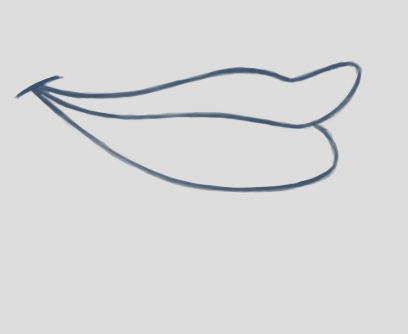
|
Closed mouth for M, B, and P sounds. |
|
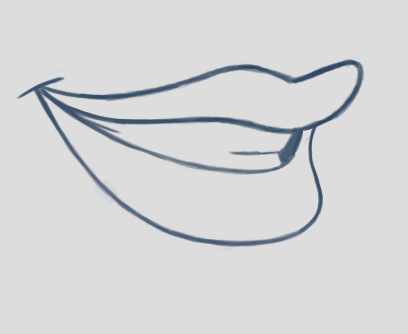
|
Slightly open mouth with clenched teeth, used for most consonants and sounds such as “ee.” |
|
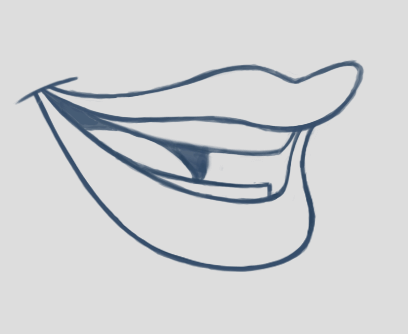
|
Open mouth for vowels such as “eh” and “ae.” |
|
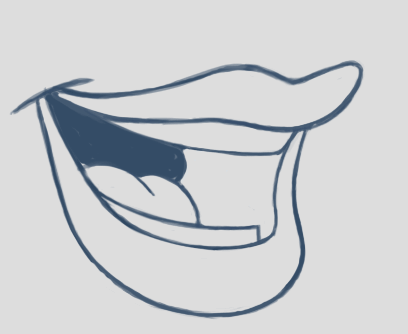
|
Wide-open mouth for vowels such as “aa.” |
|
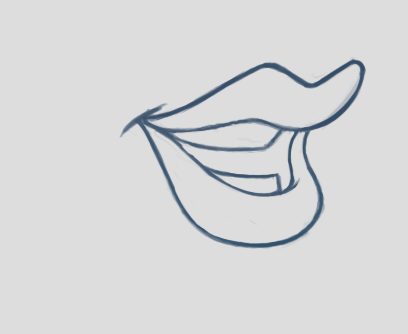
|
Slightly rounded mouth for sounds such as “off” and “bird.” |
|
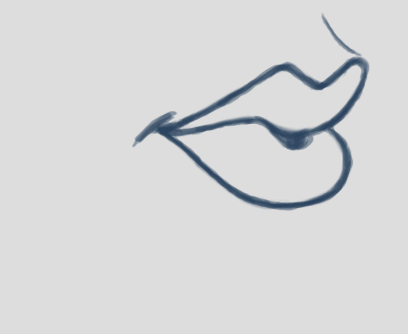
|
Puckered lips for sounds such as “you,” “show,” and “way.” |
|
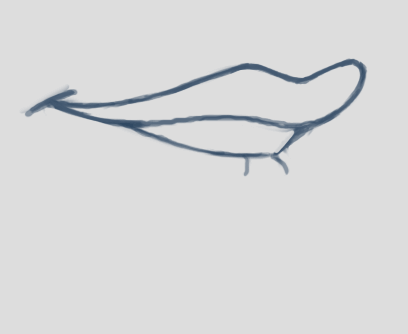
|
Upper teeth touching the lower lip for F and V sounds. |
|
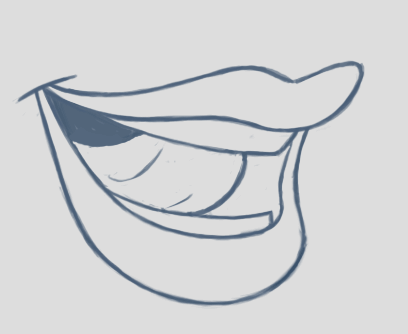
|
Raised tongue behind the upper teeth for long L sounds. |
|
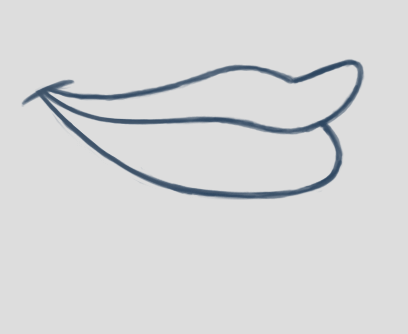
|
Relaxed idle position used for pauses in speech. |
A through F are the basic shapes. G, H, and X are extended
shapes that can improve animation when the character artwork supports them.
Expressions can branch on the result:
switch mouth() {
    "A" => 0,
    "B" => 1,
    "C" => 2,
    "D" => 3,
    "E" => 4,
    "F" => 5,
    "G" => 6,
    "H" => 7,
    "X" => 8,
}
While a preview is still analyzing, mouth() reports that it is loading.
Export waits until analysis finishes.
The mouth-shape images are from the Rhubarb Lip Sync README and are used under its MIT License.